How Has Nike Advertising Redefined Modern Brand Storytelling?

Brand communication today goes far beyond selling products; it’s about creating emotional bonds with people. Modern audiences connect more deeply with stories that reflect ambition, resilience, and real human experiences. When marketing focuses on values rather than features, it builds credibility and long-term loyalty across generations. Nike Advertising has become a benchmark for this shift by aligning campaigns with social movements, athlete journeys, and cultural moments. By turning promotions into conversations, the brand continues to influence how global companies communicate, engage, and inspire consumers in today’s fast-moving digital marketplace.
The Shift from Product Promotion to Purpose
Modern consumers expect more than discounts and features; they seek meaning. One of the biggest strengths of this brand’s strategy lies in shifting attention from shoes and apparel to purpose-led narratives. Campaigns consistently highlight perseverance, equality, and self-belief, making audiences feel emotionally invested. This shift helped redefine marketing from persuasion to inspiration. By positioning itself as a symbol of resilience and ambition, the brand created an identity that resonates deeply with both athletes and everyday individuals striving for personal growth.
Key elements that strengthen this approach include:
Purpose over products: Messaging focuses on values and vision rather than technical specifications.
Emotional relatability: Stories reflect real struggles and aspirations that audiences connect with personally.
Inclusive representation: Campaigns showcase diverse voices, backgrounds, and journeys.
Emotional Storytelling That Drives Connection

Emotion plays a central role in effective branding. Rather than listing specifications, campaigns focus on personal journeys, struggles, and triumphs. Viewers see reflections of their own challenges within these stories, which strengthens emotional bonds. This approach is deeply rooted in advertising psychology, which explains why emotionally driven narratives influence perception and decision-making. It transforms passive viewers into engaged followers. When audiences feel understood and represented, they are more likely to trust the brand and share its message organically. Emotional storytelling also ensures campaigns remain memorable long after they end.
Leveraging Athletes as Cultural Icons
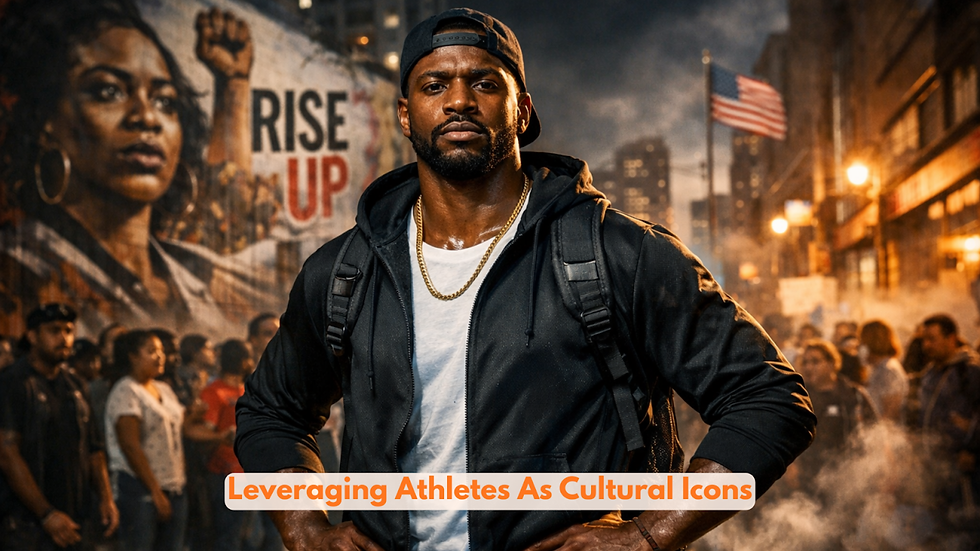
Athletes featured in campaigns are not just endorsers; they are storytellers. By highlighting real-life struggles, comebacks, and social stances, the brand humanizes sports icons. This strategy bridges the gap between elite performance and everyday aspiration. Fans connect not just with achievements but with vulnerability and authenticity. As a result, campaigns feel relatable rather than promotional, helping the brand maintain credibility and relevance across diverse demographics.
Digital-First Approach in a Social World

In a digital landscape dominated by short attention spans, adaptability is essential. Campaigns are designed with social media, video platforms, and mobile experiences in mind. Interactive content, short-form videos, and community-driven challenges encourage participation rather than passive viewing. This digital-first mindset allows the brand to stay visible where audiences spend most of their time. Consistent engagement across platforms also helps maintain a strong and unified brand voice.
Social Awareness and Cultural Relevance
Addressing social issues has become a defining aspect of modern branding. Campaigns often align with conversations around equality, empowerment, and self-expression. While this approach can be risky, authenticity makes the difference. By standing firm on values, the brand positions itself as culturally aware rather than opportunistic, a strategy often seen in best fitness ads that connect purpose with performance. This strengthens trust among audiences who expect brands to take meaningful stands in today’s socially conscious environment.
Consistency Across Global Markets
Maintaining a consistent identity while adapting to local cultures is challenging. Global campaigns are often customized to reflect regional stories without losing the core message. This balance ensures relatability across borders while preserving brand integrity. Whether targeting emerging markets or established ones, the storytelling framework remains consistent, reinforcing recognition and emotional familiarity worldwide.
Strong storytelling does more than drive sales; it builds communities. Loyal customers become advocates who share content, engage in discussions, and align themselves with brand values. This sense of belonging creates long-term relationships that go beyond transactions. Community-driven loyalty also helps the brand stay resilient during market fluctuations and changing consumer trends.
You can also watch: Revolutionize Advertising with AI-Based Ad Intelligence Tool - PowerAdSpy
Conclusion
Powerful storytelling, emotional intelligence, and cultural awareness have redefined how modern marketing connects with audiences. By focusing on purpose rather than products, brands can create meaningful connections that inspire action and loyalty. Nike Advertising reflects this approach through its ability to adapt digitally while remaining true to core values. In an era where consumers demand authenticity, this strategy proves that impactful storytelling is not just effective marketing but a lasting competitive advantage.
FAQs:
1. Why is storytelling important in modern branding?
Storytelling helps brands build emotional connections, making messages more relatable and memorable than traditional promotional tactics.
2. How does purpose-driven marketing influence customer loyalty?
When brands communicate values and beliefs, customers feel aligned on a deeper level, leading to stronger trust and long-term loyalty.
3. What role do communities play in brand growth?
Communities encourage engagement, word-of-mouth promotion, and sustained interest beyond one-time purchases.
4. Why do emotional campaigns perform better digitally?
Emotion-based content is more shareable, increasing reach and engagement across social and digital platforms.
5. How can brands stay relevant in changing market trends?
Consistency in values, adaptability in communication, and active audience engagement help brands remain resilient.
Comments